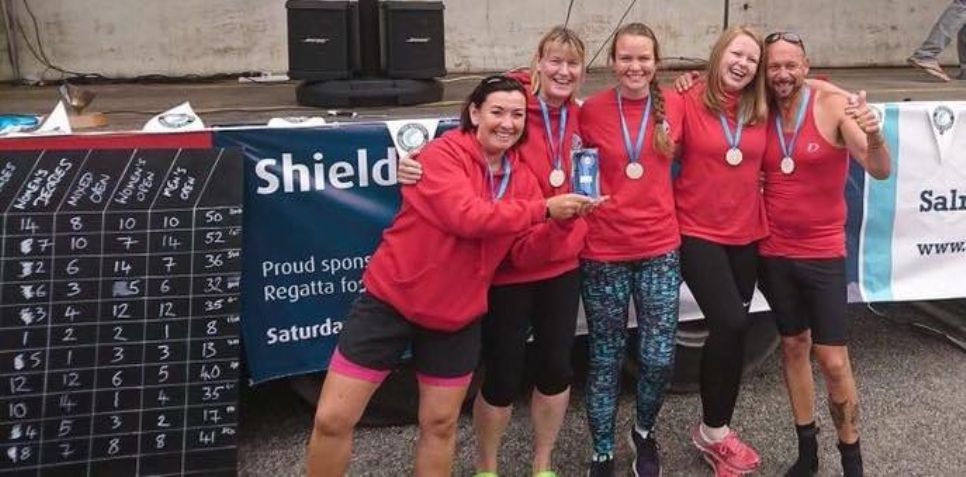
CCRC COMMITTEE 2018
Chair : Corrie Jeffrey Treasurer: Fiona Grist Secretary: Lindy Cameron Fundraiser: Denis Torley Sub Committees : Regatta 2018: Bruce Morrison, Drew Mann, Matt Grist, George Sylvester, Lyn Adam (alongside members of Avoch Skiffties) . Engineering Committee: Robert Hogg, Ronald Young, Bob Maclean, Peter Rochefort ( tbc) Teams Committee: Youth Reps: Wanda Mackay + a youth club nominee TBC General Committee Members: Chrystal Maclean, Roger Loxley, Alison Vandyke , Alison McMenemy, Mike Hales
Remember though that our meetings are always open and you are always welcome to join us or put any queries or suggestions to the meeting. Any queries please message us on the feedback page.
CLUB RULES:
(A COPY OF THESE RULES & PROCEDURES ARE ALSO IN THE BOAT.)
Rules for rowing the Skiff Cromba
- The person in charge of Skiff is the designated person ie: the Cox.
- Cox to give safety talk before start of rowing ie what to do if Skiff sinks or overturns and if rower “crabs”an oar.
- All Rowers must know that they row at their own risk if over 16 (club issues Life Jackets Hand held VHF radios Anchor and Flare) for their safety.
- All rowers and cox must wear Life Jackets.
- All rowers are liable for their own safety so must highlight any concerns to Cox and Skiff crew.
CROMBA ROWING – general rules
CHECKLIST​
Starting with boat on launching trolley at water’s edge…
Is the bung in? (re-check and make sure!)
Is there a bailer in the boat?
Is the radio/safety bag in the boat?
Is the rudder/tiller in the boat?
Is everyone wearing life jackets? (cox and crew)
Has the cox or a crewmember checked the weather forecast and tides?
Has the cox checked crew experience and given safety briefing?
STARTING YOUR ROW
After launching the boat (and making sure the launching trolley is well clear of the water)
1 Place the oars in the boat and into the correct positions and pointing in the right direction
(ie lying across the boat, hooked on to the opposite rowlock/peg from the rowing position)
2 Cox gets in, and puts in rudder and tiller
3 Each crew member gets in in turn ie Stroke/1, Oar 2, Oar 3, Bow/4
NB. If a beach launch, the person in bow may also have to push the boat out a little to ensure it is still floating once the crew are in ie not stuck on the sand
4 All crew should check footrests and confirm they are in a comfortable rowing position
5 *All crew should ship their oars before leaving the beach or ramp (ie in position, on rowlock, and with blade out of the water)
NB. If launching within a tight harbour then it may be necessary to use a paddle to manoeuvre out of harbour before shipping the oars - however this should be done only if necessary and not as the norm (see safety note)
6 Listen to the Cox for instructions!
IMPORTANT SAFETY RULES
Moving about the boat:
Only one person to move about the boat at one time - all others must be sitting down
The Cox is in charge
There can only be one boss on a boat, and the Cox is the one who can see where the boat is going!
Listen for the Cox's instructions at all times.
Lifejackets
For in the unlikely instance that something goes wrong and one or all crew members end up in the water
*All crew to ship oars before leaving the beach or ramp
All oars may be needed to row if something goes wrong (drifting towards rocks or harbour etc)
It is much easier and safer for the crew to place their oar on to the rowlock if the boat is not moving
(as they will need to place the blade tip in the water to do so).
TERMINOLOGY
Cox
The person in control of the boat - the Cox sits in the back of the boat facing the direction of travel
Oar 1 (Stroke)
The first oar position or rower, opposite the Cox - oar blade is in the water to the left of the rower
Oar 2
The second rower - oar blade is in the water to the right of the rower
Oar 3
The third rower - oar blade is in the water to the left of the rower
Oar 4 (Bow)
The fourth rower - oar blade is in the water to the right of the rower
Bow
Front of the boat (opposite end to where the cox sits)
Stern
Back of the boat (where the rudder is and where the cox sits)
Port
The left hand side of the boat, looking forward from the stern
Starboard
The right hand side of the boat, looking forward from the stern
Rudder
The blade in the water at the back of the boat (helps change the direction of the boat)
Tiller
Attached to the rudder (the part held by the Cox to steer the boat)
Rowlock
The pin or peg fixed to the side of the boat that holds the oar in place
(can also be a swivelling device that pivots with the movement of the oar)
Footrests
Placed in the bottom of the boat in front of each rower to help stabilise the rower
VERBAL COMMANDS
Ship oars
Place oar in rowlock, hold with blade out of the water
Boat oars
Take oar off/out of the rowlock and place lengthways in the boat
Toss oars
Stand oar upright in the boat, blade at the top
(not generally used for St Ayles skiffs as they are too long/heavy!)
Ready to Row
Arms forward, blade tip just touching the water
(And) Row
Begin to row, following the lead of the ‘Stroke’ oar
Easy Oars
Stop rowing, wait with blade out of the water
Hold Water
Stop rowing, hold blade in the water (used to stop the boat, or to hold the boat in position)
Back Water
Place blade in water then push handle away from body = opposite to normal rowing stroke (used to reverse the direction of the boat)
Each of the above commands can be used to direct a single rower when used with the oar number eg: "easy number 3" or "hold water 4"
Counting
The Cox will use counting at the pace of the stroke to help rowers keep in time or to give advance notice of a change (ie countdown)
ROWING TECHNIQUE
Catch
Start with body hinged forward at the hips, back straight, head lifted (towards Cox), arms straight and outstretched, legs bent, shoulders relaxed.
The blade of the oar is dropped smoothly and swiftly in to the water until it is just submerged (do not dig too deep!)
Drive
Push through feet and legs, and using your body as a pivot (keeping back straight), pull the oar through the water.
As the body passes through vertical bring your arms in, pulling the oar handles towards the chest (breathing out)
Finish/Lift
With the body still just past vertical, press down on the oar to lift the blade from the water cleanly and quickly.
Move the hands away from the body until the arms straighten.
Recovery
Leading with straight arms, pivot at the hips moving the upper body towards the stern (breathing in).
Bend the legs slightly and apply pressure to the footrest ready for next catch.
The back is straight throughout and the shoulders and arms are relaxed.
NB. You should not feel any pressure or pain in your back; Re-position and try again, and/or speak to the Cox to get more tips or instruction
- The launching trolley should be left high up on the beach while you are rowing, and should not get wet - where possible.
- If the next row doesn't turn up make sure that the boat is left safely - if in doubt about whether there is another row, put the boat away.
- If you are the last row you MUST hose down the boat and make sure all the sand is out of her before putting her in the shed.
- Only use the harbour to disembark in emergencies, and if you do, take very good care with the boats moored there.
- The lifejackets and box are stored in the sheds on the harbour, your cox will know the code.